
How do I sell my Art Collection at Auction?
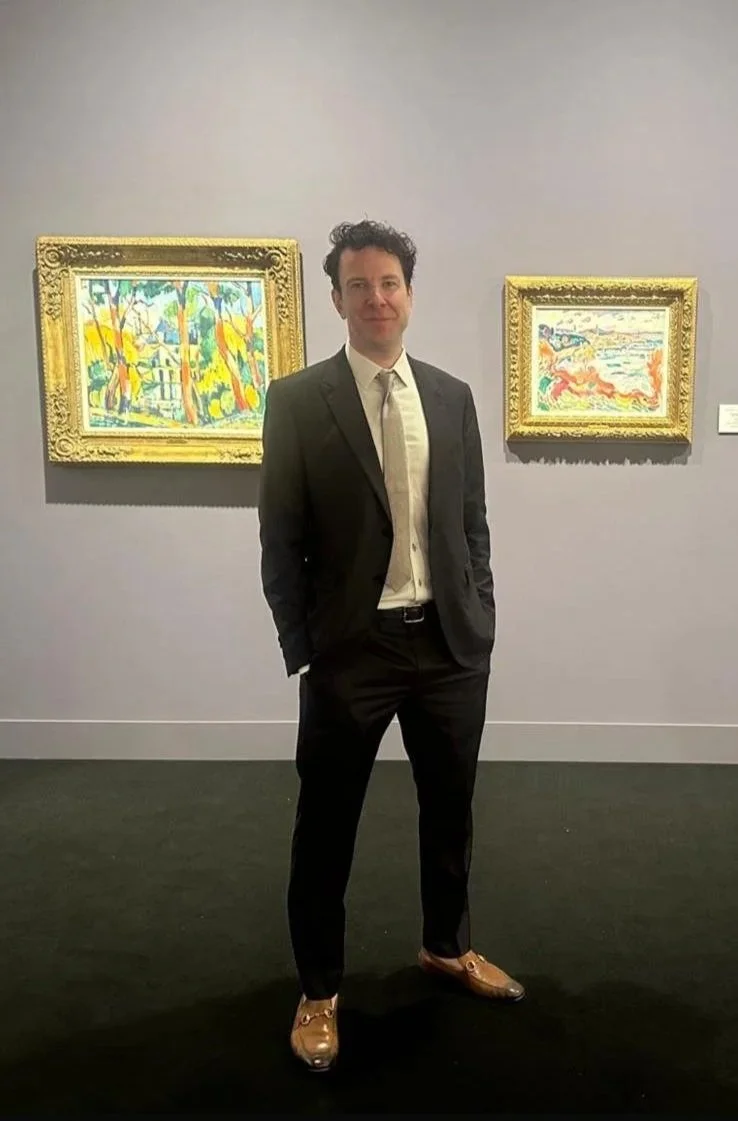
La Finca Collection Strategies, is an independent advisory firm specializing in selling art and other collectibles at auction on behalf of collectors, museums and other organizations. The advisory takes a client-first approach to the art of selling individual artworks or whole collections at auction. Founder and Director, Dane Jensen, brings his 25+ years of insider experience to the table to advance his client’s interest in the selling strategy and in negotiating on the client’s behalf with each auction house to establish the very best returns for the client. Reach out and see how La Finca Collection Strategies’ expertise can help you in selling your art, entire collection or other collectibles at auction.
La Finca considers all of the factors throughout the process from establishing initial value for each piece, identifying which auction houses are best, the overall collection sales strategy and leverage in negotiation, factors such as the estimate and reserves, sale selection and date of sale, guarantees, and costs such as framing, restoration and shipping. Below is an overview of the process:
Establishing the Initial Value
It is imperative to get an initial sketch of value on each artwork and get an understanding of the work, its market, location, size and salability. This will then determine what auction house and the sale location for each work might work best to produce the best return. The wrong auction house, sale designation and location can produce non-sales (buy-ins) and cost overruns.
Competitive Proposals and Estimates
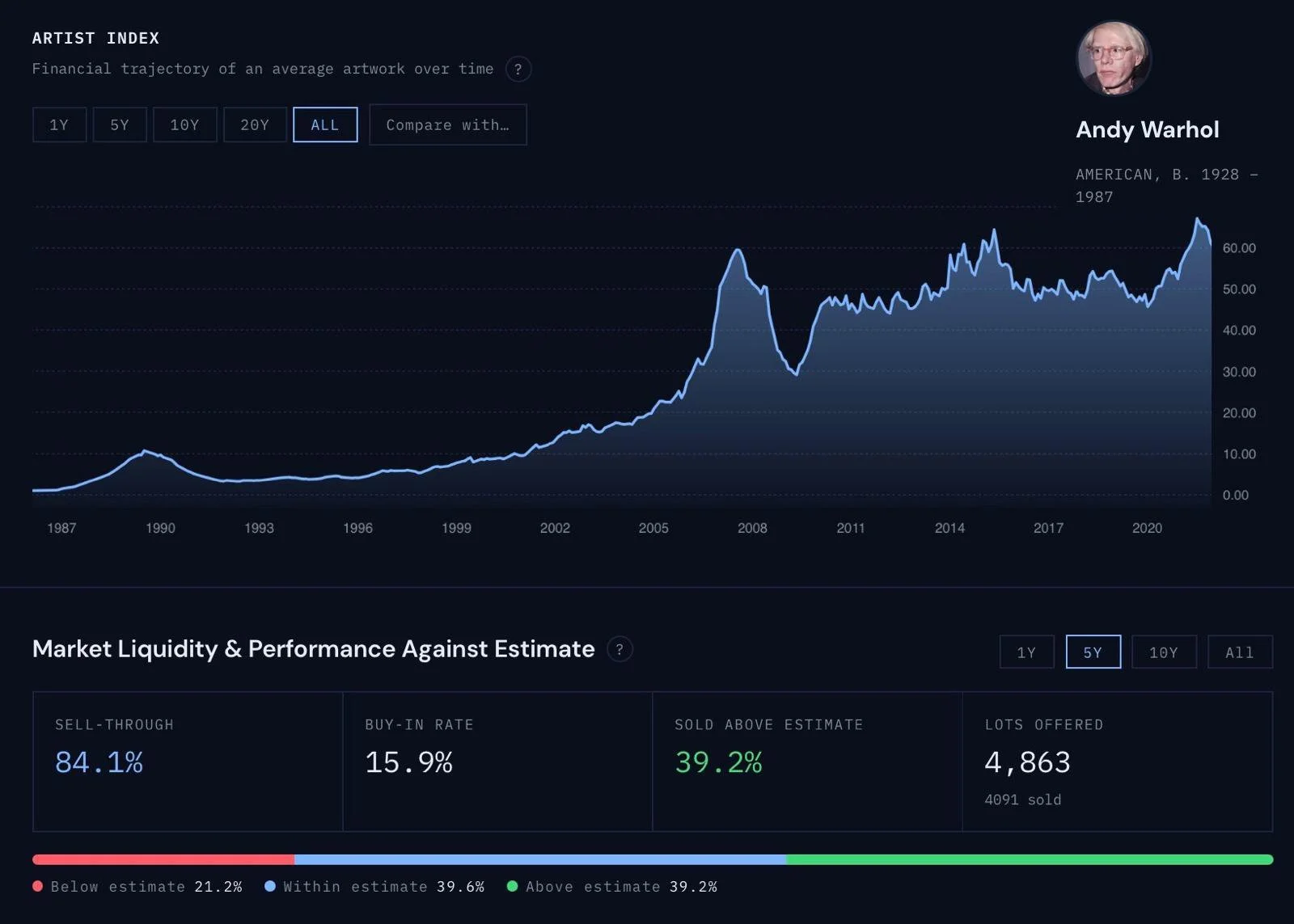
Each auction house proposal needs to be understood thoroughly. Is the estimate of each work on-market, too aggressive, or to conservative? Does the specific auction sale help position the work to sell or is it a potential detriment to its performance? Which house is best for a segment of the collection, the collection as a whole, or an individual work? The correct answers are major pieces to the puzzle in driving results. With high-value works, this strategy can add millions to a client’s bottom line.
Reserves
Setting the right reserve (the lowest amount the work can be sold for) is key to assessing the client’s risk of an artwork underselling (or not selling at all). It is paramount the seller has a view of what the risk and reward scenario exists for each work to be auctioned and to establish a reserve that strategically allows for a sale—but does not leave any money on the table.
Terms and Costs
What are the most favorable financial terms and cost allocations in the negotiation with the auction house for each work and for the overall consignment? The nuance of when to take or not take a guarantee (if appropriate) is also something that must be understood and decided upon. Does the work need conservation before the auction and who is best to undertake that and how will the market receive that restoration (favorably or not)? When you decide, you want to have an expert that represents your interests and can explain the cost-benefit analysis to you.
Marketing Proposals
What is the marketing package the auction house is offering? Will that package allow the work to achieve its highest possible result? A package for a high-value work may include touring the piece to different cities, a scholarly essay, and advantageous placement within the preview. The marketing should help position the piece within the market and in an art historical context (which underpins value). Some houses are better than others at this and if the work is poorly marketed it may adversely affect its performance.
Pre-Sale Day Decisions
Some factors that may come up just before the auction are whether to lower a reserve (and what to lower it to), to take an 11th hour guarantee, to understand the interest (and how that influences other decisions) and to allow for a payment plan for a bidder. An auction house does not make any money unless it sells, so one needs to be sure that the decisions being made in this regard are in the seller’s best interest (not just that of the auction house).
Sale Day and Post-Sale
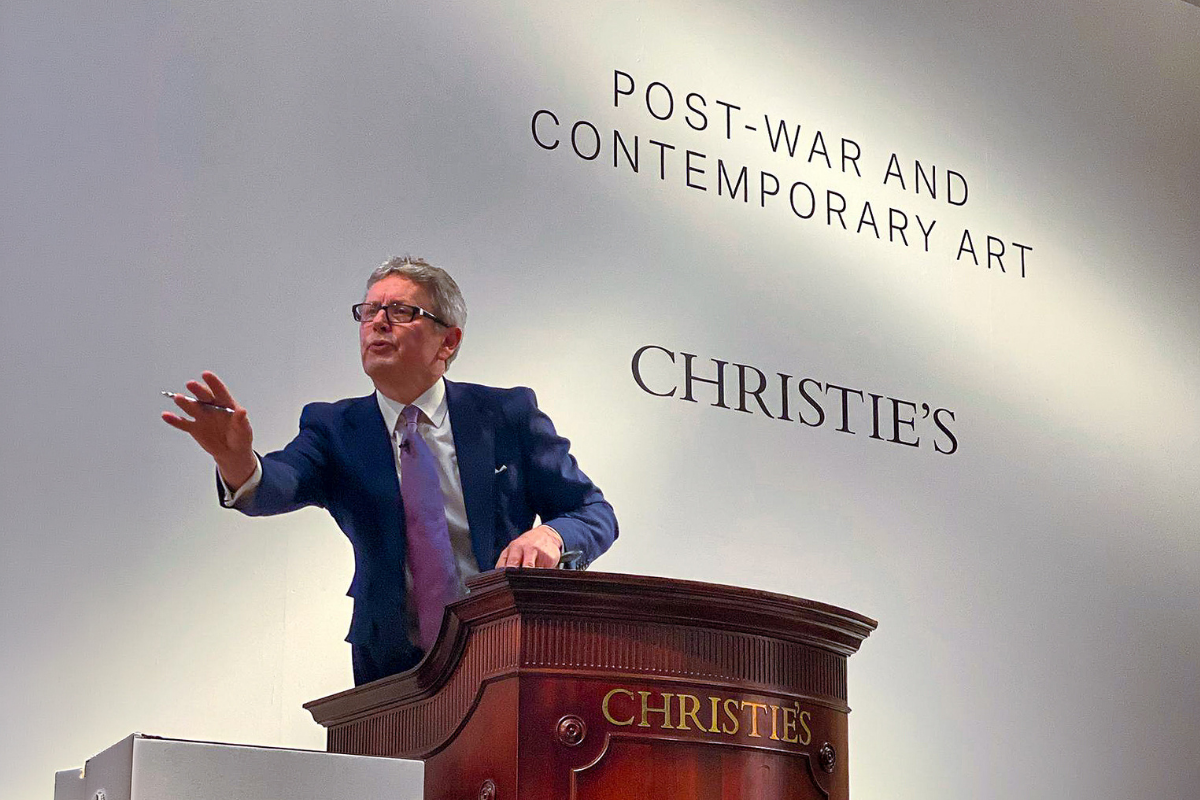
Auctions can move fast (about 1-3 minutes per work/lot) and even the most experienced sellers sometimes cannot tell exactly what the nuances of the auctioneer are. Was that an actual bid or a “chandelier bid”, what does it mean to have “a bid in the book”? If you go through the process, you want to make sure you understand the auction itself. One also needs to understand the implications of the sale—from selling “P+L” bids under your reserve, to the hammer amount versus your return (which can differ depending on your terms), and when you will get paid.
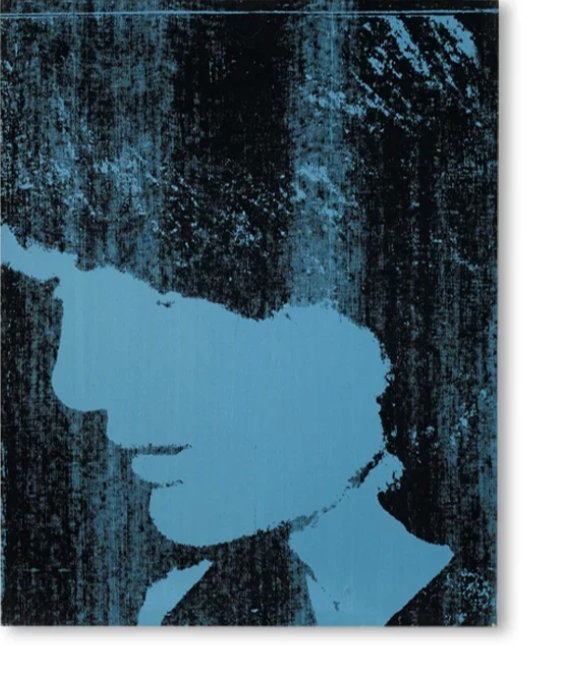
Sold at auction for $907,500 (including premium), on behalf of a Los Angeles client
Andy Warhol (1928-1987)
Jackie, 1964
Signed and dated 'Andy Warhol '64' (on the overlap)
Acrylic and silkscreen ink on canvas
20 x 16 in. (50.8 x 40.6 cm)
© The Andy Warhol Foundation for the Visual Arts, Inc. / Artists Rights Society (ARS), New York
In addition, La Finca has bought and sold works by David Hockney, Alexander Calder, Pablo Picasso, Joan Mitchell, Helen Frankenthaler and Jean-Michel Basquiat at major auction houses including Christie's, Sotheby's, Phillips and Bonhams.

For more on how to sell at auction and how La Finca Collection Services work with you on the process, please reach out to 1-818-732-5804 or dane@danejensen.art